What counts as a 'Tuscany food experience' in 2026?
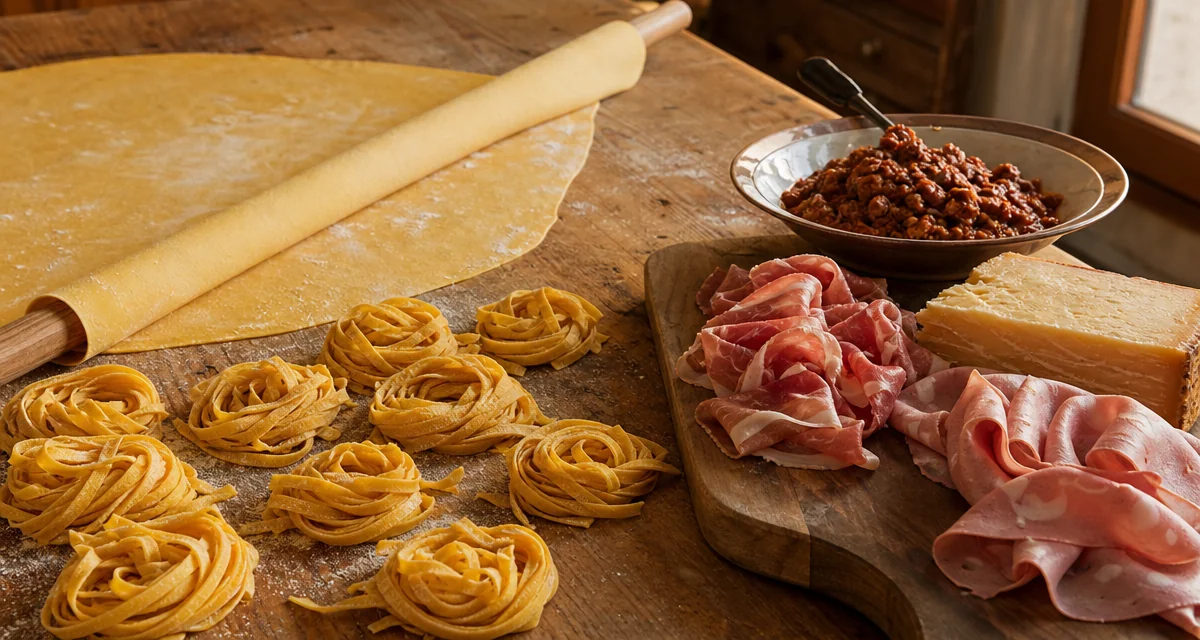
A Tuscany food experience is any structured, hosted activity that puts a traveller in direct contact with the region's producers, kitchens or vineyards — distinct from simply eating at restaurants. As of 2026, the category covers six dominant formats: winery tastings (most concentrated in Montalcino for Brunello, Montepulciano for the elegant Vino Nobile DOCG aged in Renaissance cellars carved beneath the hilltown, and Chianti for its namesake Sangiovese-led reds), cooking classes (Florence-based or in Chianti farmhouses, where you typically learn to hand-roll pici — a thick, eggless spaghetti rolled by hand on the floured table, and the signature pasta of southern Tuscany), truffle hunts (San Miniato, the small Tuscan town between Pisa and Florence famous for its prized white truffle; the Crete Senesi, the lunar clay hills south of Siena; and the Mugello forests north of Florence), olive oil mill visits (October–November frantoio harvest, when the new pressing — peppery, grassy, almost luminous green — is poured raw onto warm fettunta bread), guided market tours (Mercato Centrale and Mercato di Sant'Ambrogio in Florence) and private chef dinners at your accommodation. Prices in 2026 range from €25 for a basic Florence street-food walk to €600+ per person for a Michelin-tier multi-course tasting menu. The average traveller books two or three experiences across a week-long stay, mixing one indulgent moment (private dinner or tasting menu) with two lower-cost activities (market walk, cooking class).
How much does a private chef in Tuscany cost?
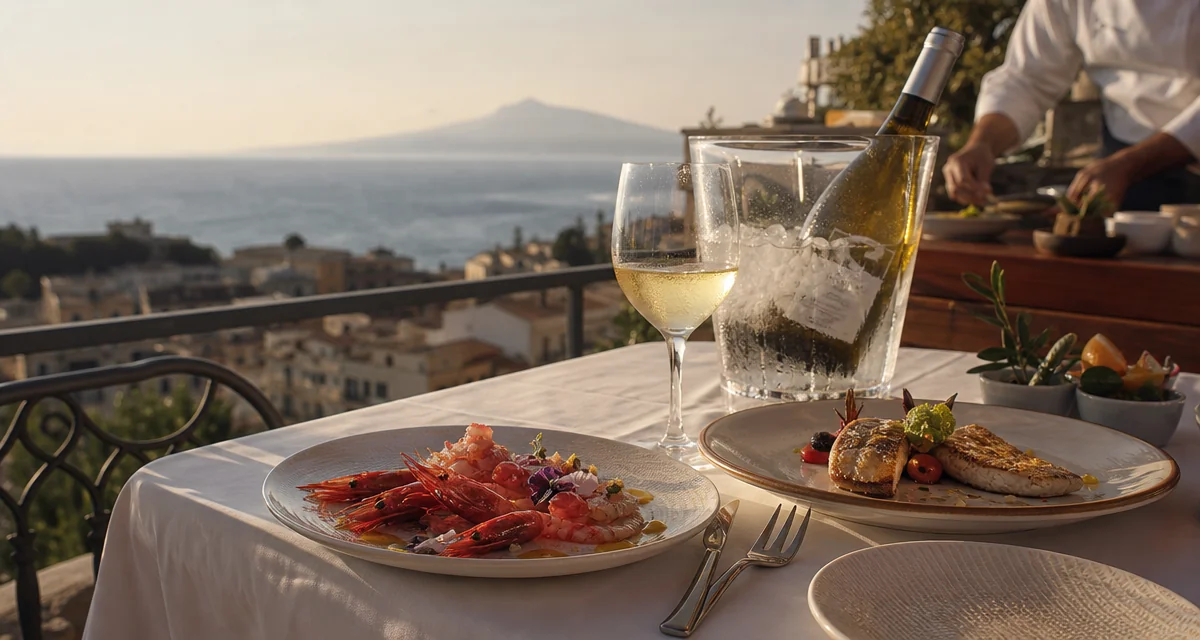
A private chef dinner in Tuscany in 2026 costs roughly €85–€200 per person all-in, depending on tier, group size and menu complexity. For a Taste of Italy menu (5 courses, signature regional showcase) at 6 guests in a Chianti villa, expect €110–€135 per head; the same menu drops to about €95–€110 per head once the group reaches 10 guests, because the chef's per-head logistics decrease. An Essential 4-course menu (approachable classics: bruschetta — toasted Tuscan bread rubbed with garlic, drizzled with olive oil and topped with chicken-liver pâté or seasonal vegetables; pici al ragù, the hand-rolled southern Tuscan spaghetti served with a slow-cooked meat sauce; a roasted main; and panna cotta) sits closer to €85–€110 per person at 6–8 guests, while a Luxury 6+ course experience with truffle, seafood and a multi-pairing wine flight runs €160–€220 per person. Children typically aren't counted in the client price (only at 50% in the chef fee). Prices include the chef's travel within the region, market shopping, in-home cooking, plating and table service for roughly four hours; wine and groceries are usually quoted separately so you can choose your own bottles or have the chef source local Chianti Classico DOCG producers directly — Chianti Classico is the historic heartland of Chianti wine between Florence and Siena, identified by the Black Rooster (Gallo Nero) seal on every neck label and made predominantly from Sangiovese grapes grown above 250 metres. Browse our Tuscan chef network for verified profiles.
Which Tuscan cities should anchor your food experiences?
Florence, Siena and the Chianti hill towns form the core triangle of Tuscany's food scene, with Montalcino and Pienza adding the Val d'Orcia leg further south — the UNESCO-listed sweep of golden wheat fields and lone cypress trees you've seen on every Tuscany postcard. Florence is your hub for cooking classes, market walks and Bistecca alla Fiorentina — a thick-cut T-bone (minimum 5 cm) from Chianina cattle, the long-legged white breed native to the Val di Chiana, charcoal-grilled rare over oak embers and traditionally served with only salt, pepper and a splash of olive oil; the Mercato Centrale and Mercato di Sant'Ambrogio are both walkable from Santa Maria Novella station. Siena — the medieval, fan-shaped Gothic city famous for the Palio horse race in its central Piazza del Campo — anchors the south, an easy drive from Montalcino for Brunello tastings and Pienza, the tiny Renaissance hilltown commissioned by Pope Pius II in the 15th century and now the world capital of pecorino — sheep's milk cheese aged in chestnut leaves, hay or volcanic tufa ash, ranging from soft fresh wheels to crumbly aged stagionato. Greve in Chianti is the wine-village heart between Florence and Siena — its Saturday market and the surrounding estates of Castellina, Radda and Gaiole are where the Chianti Classico Black Rooster signature concentrates. San Gimignano, the medieval skyline of stone towers often called 'the Manhattan of Tuscany', handles Vernaccia di San Gimignano DOCG — Italy's first-ever DOC white wine (1966), bright and almond-finished, paired locally with the region's prized saffron, hand-harvested from autumn crocus fields just outside the walls. Forte dei Marmi covers the Versilia coast (north-west Tuscany, an hour from Pisa) for sea-bass crudo and cacciucco — a centuries-old Livornese fishermen's stew of at least five different fish and shellfish simmered in red wine and tomato, ladled over toasted garlic bread. If you're staying in a villa, anchor your trip to two of these hubs and accept that the further-flung sixth (typically the coast) will be a one-day excursion.
- Montalcino — Brunello tasting at a working estate. Half-day, €60–€120 per person, three to five wines (often a Rosso di Montalcino, a Brunello DOCG and a long-aged Riserva) paired with aged pecorino and Tuscan salumi — cured pork specialities like finocchiona (fennel-seed salami) and prosciutto crudo Toscano. Book 4–8 weeks ahead in summer.
- Florence — Mercato Centrale + cooking class. Morning walk through the 19th-century iron-and-glass food hall in the San Lorenzo district plus afternoon pasta workshop, €90–€140 per person; ends with a shared lunch.
- Chianti — winery lunch with vineyard tour. Three hours, €70–€110 per person; pair with at least one estate that owns its olive grove so you can taste the November olio nuovo — the just-pressed extra-virgin oil, peppery and grassy, drizzled raw on warm bread (fettunta).
- San Miniato — truffle hunt with trained dogs. Two to three hours in the oak and hazelnut woods between Pisa and Florence with a tartufaio (truffle hunter) and his Lagotto Romagnolo dog, €110–€180 per person, followed by a truffle-led farm lunch. Peak season for the prized white truffle (tartufo bianco) is October–December.
- Your villa — private chef dinner. Three to four hours at your own table, €85–€220 per person depending on tier; the only experience where the wine flows freely and nobody drives.
- Pienza — pecorino tasting with the cheesemaker. Forty-five minutes, €25–€40 per person, comparing fresh, semi-aged and ash-aged sheep's milk wheels straight from the dairy; ideal as a 'small moment' between bigger experiences.
| Tier | Courses | Price per person | What you get |
|---|---|---|---|
| Essential | 4 courses | €85–€110 | Classic Tuscan set menu: crostini (small toasts with chicken-liver pâté or seasonal toppings), pici al ragù (hand-rolled fat spaghetti with slow-cooked meat sauce), roasted meat or fish, dessert. Best for relaxed family dinners. |
| Taste of Italy | 5 courses (signature) | €110–€135 | Curated regional showcase: pappa al pomodoro (a thick Tuscan tomato-and-bread soup born of cucina povera, Tuscany's no-waste peasant cooking, made with stale Tuscan bread, ripe summer tomatoes, garlic, basil and olive oil), hand-rolled pasta, slow-cooked secondo, pre-dessert and dolce. Our most-booked tier. |
| Luxury | 6+ courses | €160–€220 | Premium ingredients (truffle, Chianina beef, seafood crudo), multi-pairing wine flight, a second chef or sommelier on site. |
Restaurant or private chef in your villa: which to choose?
For a relaxed group of 6–12 staying in a Tuscan villa, a private chef at home almost always wins on logistics and atmosphere; restaurants win when the table is two and the goal is a one-off Michelin experience. A Florentine restaurant booking for eight typically requires reservations 4–8 weeks ahead in peak season (June, September), a 30–60 minute drive each way, designated drivers, and a 9.30pm finish that can feel rushed if you have small children. A private chef cooking the same calibre of food at your villa removes all four friction points: the meal happens in your space, on your timing (we routinely set dinner at 7.30pm for families with kids and 8.30pm for adult-only groups), nobody drives, and the chef adapts plates per guest in real time — gluten-free, dairy-free, child portions, all coordinated. Cost is comparable: a 5-course dinner at a quality Florence trattoria runs €70–€110 per person before wine; our Taste of Italy private dinner at the same headcount is €110–€135 per person including the chef's travel, shopping, plating and four-hour service window. The break-even tilts toward private chef once you reach four guests.
Travellers always ask me what's the most Tuscan thing they can do. The honest answer is sit at one table, with one chef, for four hours — and let the meal slow you down to the speed of the place. Chef Lorenzo, Florence-based ambassador of Chef On Demand Tuscany
When is the best time of year for Tuscan food experiences?
May, late September and October deliver the highest-quality Tuscan food calendar with the lowest crowds — the windows around the main growing seasons. May is fava beans (eaten raw with chunks of pecorino, a centuries-old Tuscan ritual), wild asparagus and the first stracciatella (the soft, milky heart of fresh mozzarella, eaten just-made); the weather is mild and Brunello cantinas (cellars) are open without August queues. Late September to mid-October is the vendemmia (grape harvest), when families and estates pick Sangiovese by hand at dawn and the cellars fill with the sweet smell of fermenting must — the most photogenic and atmospherically charged moment of the year, with many estates inviting guests to participate in harvest meals. November is white truffle (San Miniato hosts its national fair, the Mostra Mercato del Tartufo Bianco, on the first three weekends — drawing buyers from Paris, London and Tokyo for shavings of Tuber magnatum pico, the most prized truffle on earth), new olive oil pressing and porcini mushrooms (the meaty, woodland-fragrant boletes that show up in pasta and grilled over the embers) — colder, quieter, and arguably the most rewarding for serious food travellers. July and August are vibrant but the heat (35–38°C inland) makes long lunches uncomfortable and pushes prices 10–20% higher; if you must travel summer, prioritise evening experiences and coastal hubs like Forte dei Marmi. Average booking lead time across our Tuscan network is 7–14 days for May and October, but stretches to 4–8 weeks for June through September peak weekends.
How do I book a Tuscan food experience without getting stung?
The single biggest source of disappointment is travellers booking the cheapest result on a third-party aggregator without checking who's actually running the experience. As of 2026, the safest pattern is: book wine tastings directly through the estate's own website (every serious Tuscan winery has one); book truffle hunts through the truffle association of San Miniato or a long-running named outfit (avoid 'Tuscany Tour Magic'-style brands with no fixed address); book cooking classes through schools with at least 50 verified Google reviews and a fixed kitchen (not a rotating Airbnb); and book private chefs through a verified marketplace that vets credentials. Chef On Demand operates a verified network of 12+ private chefs across Tuscany, with a 4.7/5 Trustpilot rating based on 800+ guests served since 2025, and many chefs come from Michelin-starred kitchens, Gambero Rosso–rated restaurants (Gambero Rosso is Italy's authoritative food and wine guide, the local equivalent of Michelin's red guide), MasterChef and Top Chef Italia. For any private chef booking, ask for: chef's first name and city, sample menu in writing, allergy and dietary accommodation policy, and whether wine and ingredients are quoted separately or included. If a provider can't supply all four within 24 hours of your enquiry, that's your signal to keep looking.
Why this matters for your Tuscan holiday
Tuscany rewards travellers who slow down, and food is the most direct way to do it. Anyone can drive between hill towns ticking off photo stops; far fewer travellers come home with the muscle memory of a chef teaching them how a real ribollita is built layer by layer — the iconic 'reboiled' Tuscan winter soup of black cabbage (cavolo nero), white beans, vegetables and stale Tuscan bread, simmered slowly so the bread melts into the broth — or the silence at the table when a 12-year-old Brunello finally opens up. The experiences in this guide aren't expensive in the way a five-star hotel is expensive — they're investments in the parts of the trip you'll actually be telling people about a year later. If you're staying in a villa or villa (a working farm that hosts paying guests for room, food and farm-life immersion, regulated by Italian law and almost always serving its own produce) and you only have time to organise one structured food moment, make it a private chef dinner: it removes every logistical friction (driving, reservations, late finishes, dietary panic) and gives an entire group the one experience nobody else on their trip will be able to replicate. We'd be glad to help you build it. Browse our chefs across Italy on the Chef On Demand hub, or jump straight into private chef experiences in Tuscany to see who's available for your dates. Then close the laptop, pour a glass of Sangiovese — Tuscany's flagship red grape and the backbone of Chianti, Brunello and Vino Nobile — and let the cypresses do the rest.